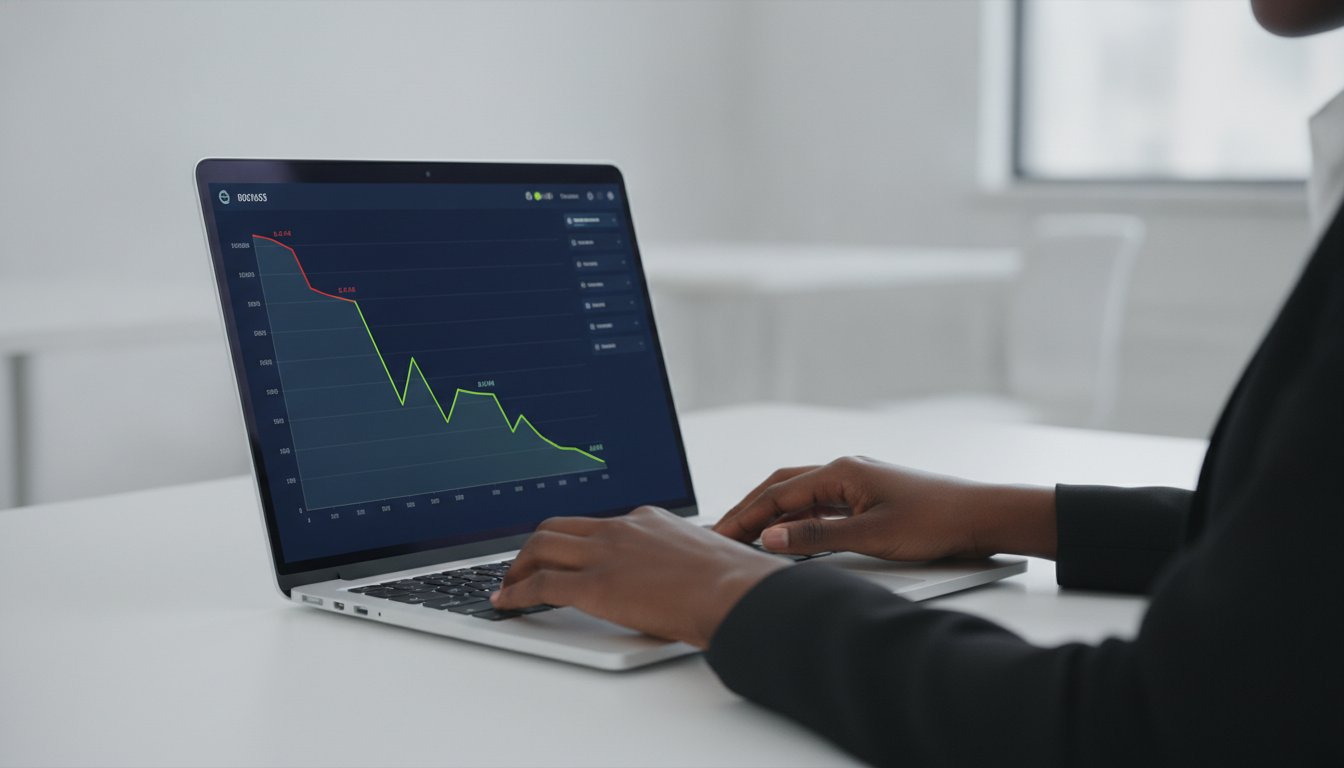
Handling a Sudden Influx of Negative Reviews: A Crisis Management Guide
On a quiet Tuesday morning, a local business owner we know opened their phone to find twenty new one-star notifications. Within an hour, their hard-earned rating had plummeted. Handling a sudden influx of negative reviews is a visceral, painful experience that can make you feel personally attacked and anxious about your future. It's a heavy burden to carry when you've invested so much of yourself into your work. We understand that fear of permanent damage, but we also know that this moment of chaos can be managed with the right approach.
You need a plan to stop the bleeding and regain your footing. This guide will show you how to transform a reputation crisis into a baseline for growth using ethical, Google-compliant strategies. We'll walk through a clear response system that avoids defensiveness and protects your ranking from further drops. You'll discover how to stabilize your star rating in the short term while building a long-term automation loop that prevents these spikes from happening again. We're moving from a state of panic to a narrative of total control, ensuring your business stays resilient and authentic in an increasingly regulated digital landscape.
Key Takeaways
- Learn to distinguish between a genuine service gap and an organized attack by auditing your internal data against review timestamps.
- Understand why "review removal" services are a dangerous myth and how to stay protected under the latest 2026 FTC compliance rules.
- Discover a rhythmic four-step protocol for handling a sudden influx of negative reviews that stops the rating drop and preserves your professional reputation.
- Simplify your crisis management by using centralized monitoring to respond to multiple platforms from one mobile app.
- Transition from reactive stress to a resilient brand using ActivCycle automation to build a steady, authentic feedback loop.
The Immediate Impact of a Sudden Influx of Negative Reviews
Your phone buzzes in your pocket. Then it buzzes again. Within minutes, a steady stream of notifications signals a crisis you didn't see coming. For a business owner, this is a moment of pure adrenaline and deep anxiety. You've spent years building your brand with integrity; seeing it questioned so publicly feels like a personal attack. Handling a sudden influx of negative reviews requires a steady hand and a clear head. It's not just about the comments; it's about the emotional weight of protecting your life's work while the world is watching.
We define a "Review Influx" as any period where your feedback volume exceeds your typical monthly average by 200% or more. This surge creates a chaotic environment where it's easy to lose perspective. Many owners fall into the trap of "defensive posting," where they reply to every comment with anger or justifications. This reaction often does more harm than good. A calm, methodical approach is the only way to stabilize the situation. Modern Reputation management focuses on transparency and sincere connection rather than winning an argument.
The first 24 hours are critical for containing the fallout. Google's algorithm is highly sensitive to sudden shifts in sentiment. When a profile that usually receives steady praise is suddenly hit with a wave of one-star ratings, the search engine may adjust your visibility to protect users from a potentially declining service. If you don't act quickly to acknowledge the situation, the algorithm might interpret your silence as a lack of control. You need to signal that you're present and attentive to the feedback.
Understanding the "Review Bomb" vs. Organic Failure
You must first identify the nature of the surge. A "review bomb" is often a coordinated attack characterized by vague, repetitive language and accounts with no previous history. These are often triggered by a polarizing social media post or a misunderstanding that went viral. In contrast, an organic failure is tied to a specific event: a late shipment, a power outage, or a temporary staffing shortage. Recognizing this difference allows you to tailor your response. Fake surges require reporting, while organic failures require empathy and a visible solution.
The Long-Term Cost of Silence
Ignoring a surge of complaints signals a lack of leadership and can permanently damage your "Star Rating Gravity." It's a hard reality that it takes approximately forty 5-star reviews to fully offset the mathematical damage of a single 1-star spike. Silence allows the negative narrative to become the only truth available to prospective customers. A "Reputation Gap" is the distance between how a business truly operates and how it is perceived by the public during an unmanaged crisis. Closing this gap requires immediate, honest communication that proves you value your community's trust over your own ego.
Diagnosing the Source: Is it a Service Gap or an Attack?
When you're handling a sudden influx of negative reviews, the initial shock can cloud your judgment. It's a stressful moment that demands a calm, analytical eye. Before you draft a single response, you must determine exactly where this feedback is coming from. A surge in negativity is rarely a coincidence; it's a data signal that points to either an internal breakdown or an external threat. By auditing your internal records, you can separate genuine customer frustration from coordinated attempts to damage your brand.
Start by matching review timestamps with your specific service events. If you see fifty negative comments posted during a window when your business was closed or when you only had three customers, you're likely facing an attack. The U.S. Small Business Administration suggests several essential steps to handle negative reviews, starting with a quiet, thorough assessment of the facts. You should also consider the "Employee Factor." Did a recent change in staffing or a new policy shift trigger this? Sometimes, a single training gap can lead to a cluster of complaints that looks like a crisis but is actually a fixable operational hurdle.
Managing this process is much simpler when you aren't jumping between different browser tabs. Using multi-platform management tools allows you to see the full picture in real-time. This centralized view helps you spot patterns that would otherwise stay hidden in the noise of individual notifications.
Spotting Fake or Malicious Reviews
Coordinated attacks, often called "review bombs," usually leave a trail. Look for "bot-like" behavior: multiple reviews posted within seconds of each other or accounts with generic names and no profile photos. Cross-reference these reviewers with your actual customer database or POS system. If the names don't match any transaction history, you've identified a malicious surge. You'll often notice repetitive phrasing across different accounts, a sign that a script or a single person is behind the influx. Identifying these patterns early is your best defense when reporting violations to platform moderators.
Evaluating Legitimate Service Failures
If the reviewers are real customers, you're dealing with a service gap. Group these complaints into categories like wait times, pricing, or communication. This turns raw, painful feedback into actionable business intelligence for your team. A sudden spike might reveal a systemic issue, like a failing piece of equipment or a confusing checkout process, rather than a "one-off" mistake. Acknowledging these specific details in your responses shows that you aren't just reading a script; you're listening to your community and taking their investment in your business seriously.
Why Review Removal is a Dangerous Myth for Your Business
When you are in the thick of a crisis, the promise of a "clean slate" sounds like a lifeline. It's a tempting shortcut. You might find your inbox flooded with offers from "reputation fixers" claiming they can delete your negative feedback for a flat fee. We understand the desire to make the pain go away instantly, but the reality of review removal is often a trap. These "Reputation Scams" frequently use methods that violate platform terms of service, leaving your business vulnerable to even greater damage once the shortcut is discovered.
The legal landscape has shifted significantly. In 2026, the Federal Trade Commission (FTC) is actively enforcing the Consumer Review Rule with strict oversight. Deceptive practices, such as suppressing negative reviews or paying for their removal, now carry heavy consequences. The civil penalty for violating these regulations can reach up to $53,088 per violation. Attempting to "scrub" your profile doesn't just risk your reputation; it puts your entire company at financial risk. Following the U.S. Small Business Administration's guide to handling negative reviews is a much safer path. It focuses on professional engagement rather than risky deletion tactics.
Google’s stance is equally firm. Their algorithms are designed to detect unnatural patterns in review profiles. If a business suddenly loses a large cluster of negative feedback without a valid legal reason, it triggers a manual review. This often results in account suspension or a permanent "warning" badge on your local listing. Authenticity is your greatest asset. A profile with a 4.5-star rating and a few honest, well-handled complaints builds more trust with modern consumers than a "perfect" 5.0-star profile that feels manufactured.
The Pitfalls of Review Gating
Review gating is the practice of selectively filtering customers, only asking for public feedback from those who had a positive experience. While it might seem like a smart way of handling a sudden influx of negative reviews, it is strictly prohibited. Platforms now use "Gating Penalties" to punish businesses that use these filters. They detect this by comparing the volume of private feedback to public posts. To build a sustainable brand, you should focus on non-gated review platforms that prioritize transparency and ethical collection.
Response vs. Removal: A Comparison
Response builds transparency; removal builds suspicion. When a customer sees a negative review followed by a thoughtful, empathetic response, they see a business that takes ownership. This professional engagement often leads the original reviewer to edit their own comment or upgrade their star rating once the issue is resolved. The cost-benefit analysis is clear: spending time on sincere connection is an investment, while spending money on legal threats or removal scams is a sunk cost that offers no long-term protection.

The 4-Step Protocol for Managing a Reputation Crisis
A reputation crisis feels like a storm. A protocol is your anchor. When you are handling a sudden influx of negative reviews, the sheer volume of notifications can lead to decision fatigue and emotional burnout. You need a methodical way to process the noise. By following a structured four-step protocol, you can move from a state of reactive panic to one of quiet, organized control. This system ensures that every voice is heard without allowing the chaos to dictate your brand's future.
- Step 1: Immediate Triage. Your first goal is to acknowledge the feedback quickly. You don't need to accept liability or offer a full solution during the initial investigation. A simple statement that you are aware of the situation and are looking into the details is enough to signal that you are present and attentive.
- Step 2: Centralized Monitoring. Efficiency is vital during a surge. Use a mobile app to manage multi-platform feedback in real-time. This prevents you from missing comments on one site while focusing on another, giving you a synchronized, unfiltered view of the entire landscape.
- Step 3: The "Offline Pivot." Public threads can quickly become heated and unproductive. Your goal is to move complex or emotionally charged discussions to private channels as soon as possible. This protects the customer's privacy and prevents a public "back-and-forth" that could damage your professional image.
- Step 4: The Recovery Wave. Once the initial fire is contained, you must shift your focus toward long-term stability. This involves activating a compliant feedback loop to gather fresh, honest reviews from your regular, satisfied customers. This natural growth helps balance your average rating and proves your brand's resilience.
To start building this resilience today, you can explore our Elevate Google-compliant plan and take back control of your digital narrative.
Crafting the Non-Defensive Response
The "Corporate Wall" is a common trap where businesses use cold, legalistic language to deflect criticism. This approach often escalates the customer's frustration. Instead, aim for a professional response built on three pillars: Empathy, Action, and Accountability. Use a warm, human tone that shows you understand the pressure the customer is feeling. The Pivot Technique is the practice of validating a reviewer's feelings publicly while immediately shifting the detailed resolution process to a private, one-on-one communication channel.
Using Feedback to Close the Loop
Data from a review influx is a gift for your internal team. Share the specific complaints with your frontline staff to ensure the same mistakes aren't repeated. By implementing ActivCycle principles, you turn every interaction into an opportunity for synchronization and growth. This systematic approach ensures that the "bleeding" stops permanently. For a broader view of how to protect your business, review our online reputation management strategy for long-term planning and peace of mind.
Building a Resilient Brand with ActivCycle Automation
Handling a sudden influx of negative reviews is exhausting. It drains your energy and distracts you from the daily work you love. But once the initial fire is contained, you need more than just a temporary patch. You need a system that builds a permanent shield around your hard-earned reputation. Our Elevate Google-compliant plan is designed to be that stabilizing force. It moves your business from a state of emergency to a state of natural, steady growth. This isn't just about survival; it's about building a brand that can weather any future storm with quiet confidence.
The most effective way to recover isn't deletion. It's dilution. By gathering high volumes of authentic, positive feedback from your silent majority of happy customers, you naturally offset the mathematical impact of a negative surge. This isn't about manipulation or hiding the truth. It's about ensuring your average star rating accurately reflects the true quality of your service. ActivCycle automation makes this possible by turning every completed job or customer interaction into a gentle, automated request for feedback. A steady, automated flow of reviews is your best defense against future "review bombs" because it provides a large, credible data set that search engines trust.
The Power of the Elevate Plan
Ethical acquisition is the cornerstone of a resilient brand. With the Elevate plan, you can request reviews on autopilot without ever violating platform policies or risking account suspension. This system manages multiple platforms from one dashboard, ensuring you never have a "blind spot" where a new crisis could brew. It synchronizes your feedback across Google and other essential platforms, giving you an unfiltered view of your reputation. For a deeper look at selecting the right tools for your business, check out our customer feedback software guide for ethical growth and reputation management.
Staying Compliant While Scaling
Integrity is your best defense. ActivCycle ensures that your growth is always organic and transparent. You'll never need to resort to prohibited gating or the dangerous world of paid reviews that lead to heavy FTC penalties. Instead, you get real-time monitoring via the WhoRatesMe mobile app. This allows for on-the-go management, giving you the peace of mind that comes with being a "Quiet Innovator." You don't need to be the loudest voice in the room. You just need to be the most consistent. Handling a sudden influx of negative reviews becomes much less daunting when you know your long-term system is already working in the background to protect you. This automation provides order and clarity, allowing you to focus on your customers while your reputation grows on autopilot.
Turn Crisis Into a Foundation for Growth
A sudden spike in criticism doesn't have to be the end of your story. It's often just a signal that your business needs a more resilient system. By diagnosing the source of the feedback and following a structured response protocol, you move from feeling overwhelmed to being in total control. Handling a sudden influx of negative reviews is a test of character; choosing integrity over shortcuts ensures your brand remains authentic and trustworthy.
You've built something valuable. Now, it's time to protect it. Our system provides the order and clarity you need to manage your reputation on autopilot. With ActivCycle automation, you create ethical feedback loops that naturally dilute negativity. You won't find prohibited gating or removal services here. Instead, you get a centralized dashboard and a mobile app designed for full 2026 compliance.
Protect your reputation with the Elevate Google-compliant plan and start building a future where your business thrives on transparency. You've done the hard work of serving your community. We're here to make sure their voices work for you.
Frequently Asked Questions
Is it possible to delete a sudden wave of negative reviews on Google?
You cannot directly delete reviews simply because they are negative or unfair. Google only removes content that violates its specific policies, such as spam, harassment, or off-topic rants. Instead of searching for a removal tool, focus on reporting genuine policy violations and providing a calm, professional response to legitimate complaints.
How long does it take for a business rating to recover after a negative influx?
Recovery time depends entirely on your ability to generate a high volume of new, positive feedback. Since it takes approximately forty 5-star reviews to mathematically offset a single 1-star spike, a business with high foot traffic may recover in weeks, while others may take months. A consistent, automated system is the only way to ensure a predictable recovery.
Can I sue someone for leaving a fake negative review during a surge?
Technically, you can sue for defamation if the claims are demonstrably false, but legal action is often slow and prohibitively expensive. You must also be careful not to violate the Consumer Review Fairness Act, which protects a consumer's right to share honest opinions. In California, for example, willful violations of non-disparagement laws can result in penalties up to $10,000.
What should I do if a competitor is behind a sudden influx of bad reviews?
When you suspect a competitor is handling a sudden influx of negative reviews to damage your brand, you should document the evidence and report it as a conflict of interest. Look for accounts that only review your business and your competitor's listing. Google takes these "bad faith" reviews seriously and will often remove them if you can prove the accounts are not real customers.
Does Google prioritize responding to negative reviews over positive ones?
Google values engagement across all reviews, but your response to negative feedback is a critical signal for local search visibility and customer trust. While you don't need to ignore your happy customers, your immediate focus during a crisis should be on addressing complaints. A quick, empathetic reply proves that your business is active and committed to resolving issues.
How can I prevent a sudden influx of negative reviews from happening again?
The most effective prevention is a proactive feedback loop that captures authentic customer sentiment every day. By implementing ActivCycle automation, you ensure that a steady stream of 5-star reviews is always flowing into your profile. This creates a "reputation buffer" that makes your overall rating much more resilient to future attacks or isolated service failures.
